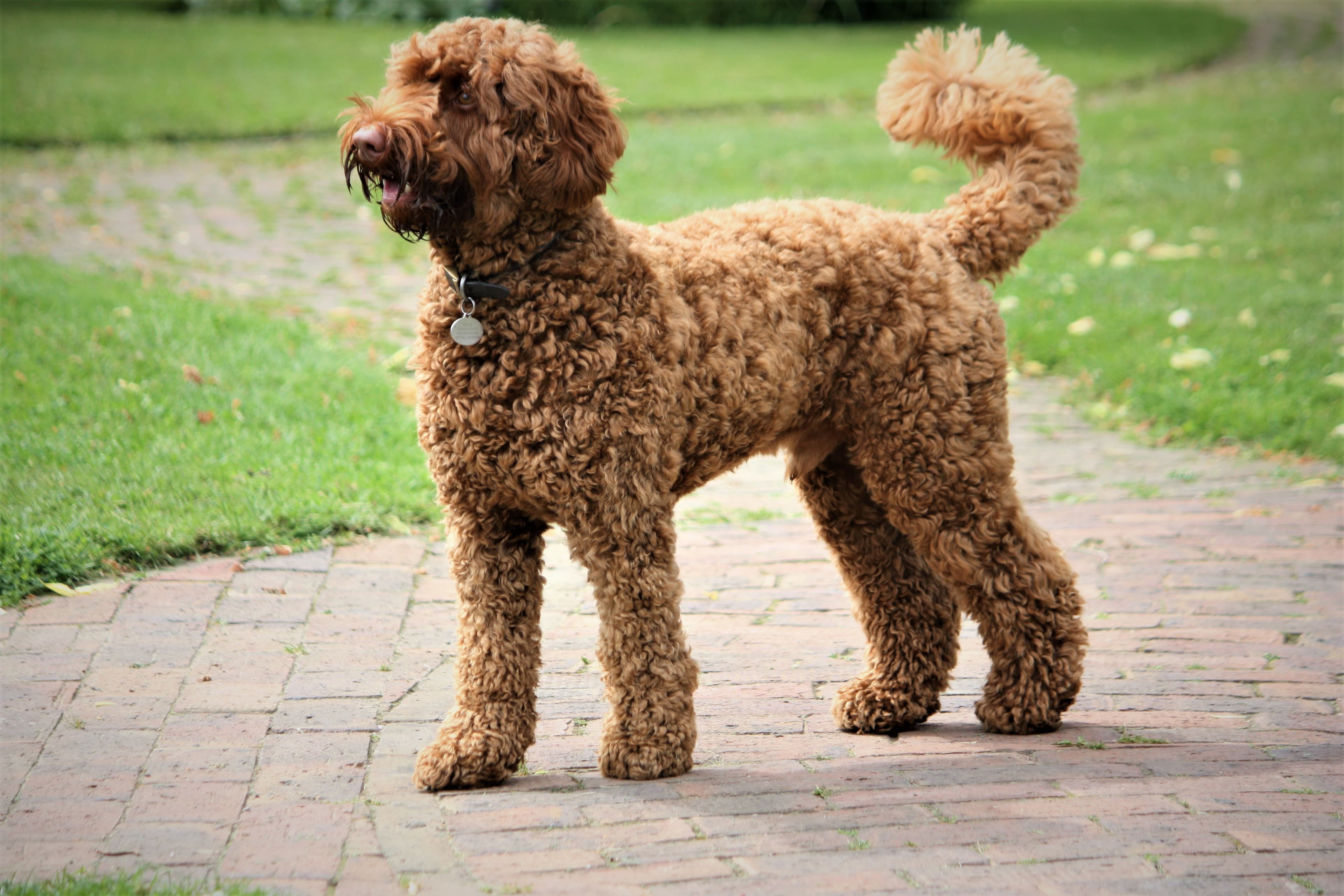

Cavalier King Charles Spaniel
Information about the Cavalier King Charles Spaniel breed Cavalier King Charles
Weight: Males 5.5 - 8 kg, females 5.5 - 8 kg
Height at the withers: Males 30 - 33 cm, females 30 - 33 cm
Energy level: Lively
Life expectancy: 12 - 15 years
Tendency to drool: Low
Tendency to snore: Slight
Tendency to bark: Slight
Digging tendency: Low
Social needs: Moderate
Best suited as: Companion dog
Colours: Black and tan, ruby, Blenheim, and tricolour
Common health issues: Heart problems and the neurological condition syringomyelia
The Cavalier King Charles Spaniel is a lively but well-balanced dog, known for being an easy-going family pet that's friendly to most people they meet. Early socialisation is key for this breed, so it’s a good idea to start getting them used to different environments and experiences from a young age. You can learn more about socialisation and environmental training in the Lassie app.
Cavalier King Charles Spaniels tend to fit into most homes and usually get along well with everyone, including cats and other pets. If you have both a dog and a cat, our app course can guide you on how to help them introduce themselves and build a good relationship.
Grooming and nail clipping
A Cavalier King Charles needs thorough grooming once a week. Their claws should be clipped and the fur between their paws trimmed monthly. Many owners find claw clipping tricky, so we've created a guide in our app to help you learn how. Pay special attention to the fur behind their ears, as matts can easily form there.
Dental health
Looking after your dog's dental health is important, especially if you have a Cavalier King Charles. Regular tooth brushing is crucial for healthy teeth and gums. Getting your dog comfortable with brushing takes practice and patience – find out how in our app.
Tooth fractures
Dogs can suffer fractured teeth if they bite down on something hard, like a marrow bone. Our app course on tooth fractures explains how to prevent this and what to do if it happens.
Common hereditary conditions in Cavalier King Charles Spaniels
One of the most common health concerns for Cavalier King Charles Spaniels is heart conditions. All Cavaliers intended for breeding should have a valid heart health certificate with no noted issues. Like many other breeds, they can also be prone to hereditary eye diseases and hip dysplasia.
Weight management
Cavaliers adapt well to the amount of exercise you give them, but regular activity is important to prevent weight gain. Around an hour of exercise a day is usually sufficient for an adult dog, though this can vary individually. Learn more about weight management in our app.
Stomach issues
Food-loving dogs might sometimes eat things they shouldn't, which can lead to vomiting and/or diarrhoea. While these are common reasons for vet visits, you can often manage mild cases at home. Our Lassie app can help you understand when it's safe to treat your dog yourself and when to seek professional advice.