Pomeranian Dog Breed Guide
Key facts about the Pomeranian breed:
Weight: Males 1.8 - 2 kg, females 2 - 2.5 kgHeight: 21 cm +/- 3 cmEnergy level: HighLife expectancy: 12-16 yearsTendency to drool: LowTendency to snore: SlightTendency to bark: HighDigging tendency: LowSocial needs: ModerateIdeal for: CompanionshipColours: Many different colours, including black, white, and beigeCommon health problems: Joint issues, eye conditions
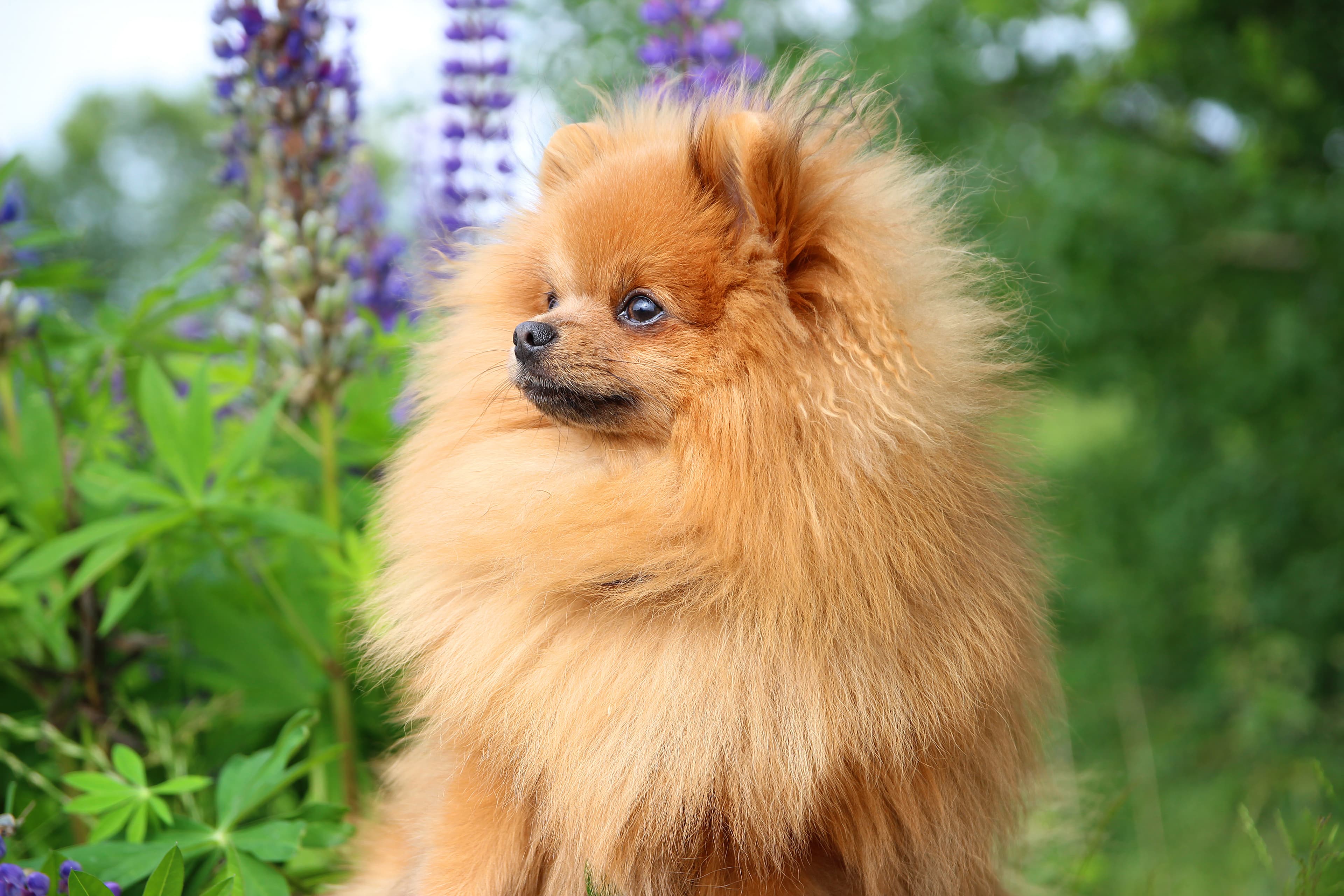
The Pomeranian is a small, spirited dog, known for being lively, happy, and a fiercely loyal companion. Despite their diminutive size, they require regular mental stimulation and physical activity.
Grooming your PomeranianPomeranians come in a beautiful array of colours, such as black, white, and beige. Regular grooming is particularly important as they grow. Brushing helps them through their coat changes. Once fully grown, brushing a couple of times a week should suffice. Gently check their undercoat regularly for any matting. Bathing should only be done when necessary, as too frequent washing can strip the natural oils that protect their coat. After a bath, ensure their coat is completely dry before a final brush to detangle any knots.
Keeping nails trimKeeping your dog's nails trimmed is essential! Aim to clip them as needed, perhaps once a month, but it’s better to trim a little and often. Get your dog used to nail trims from a young age. Our nail trimming guide has all our top tips!
Dental careGood oral hygiene is crucial for your Pomeranian. Regular toothbrushing is key! Getting your dog comfortable with this takes patience and practice. Find out more here.
SocialisationSocialising your dog is vital. Start early with exposure to different sights and sounds they'll encounter as adults. Learn more about socialisation and environmental training here.
Digestive upsetsVomiting and diarrhoea can affect any dog. While it's a common reason for vet visits, often you can manage these issues at home. Discover when it's safe to care for your dog yourself here.
Lumps and bumpsAs dogs get older, they may be more prone to developing lumps or growths. Not all lumps are cancerous; they can be benign or malignant. Early detection of malignant lumps can improve the chances of a good outcome, so get into the habit of checking your dog regularly. Our guide explains how to check your dog and the different types of lumps they might develop.