Jack Russell Terrier: Your Essential Breed Guide
Jack Russell Terrier: At a Glance
Weight7–12kgHeight at the withers20–30cmEnergy levelHighLife expectancy13–15 yearsTendency to droolLowTendency to snoreLowTendency to barkHighTendency to digHighSocial needsMediumOriginally bred forFox huntingColoursPredominantly white, with black, tan, or "tri-colour" markingsHealth problemsGenerally a robust and healthy breed, though they can be prone to certain conditions like luxating patella and eye issues.
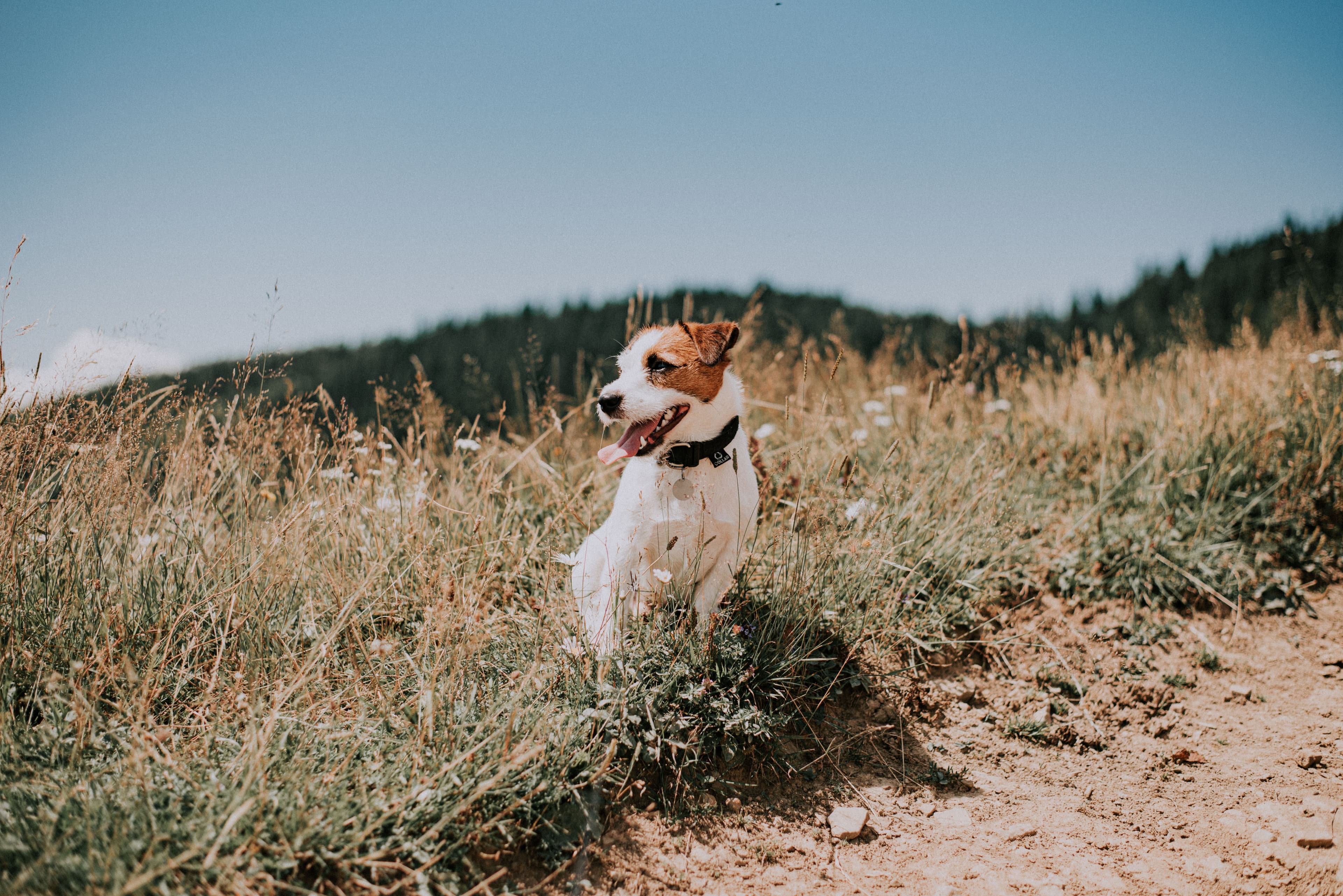
The Jack Russell Terrier is a bright, cheerful working dog packed with personality. They have boundless energy and need lots of daily physical exercise and mental stimulation. Most Jack Russells love to dig and explore, and their strong hunting instincts mean consistent training is essential. Be warned: many Jack Russells will try to slip their lead and go exploring the neighbourhood on their own at some point!
Grooming your Jack RussellJack Russells have three coat types: smooth, rough, and broken. All are considered relatively easy to care for. Rough and broken coated Jack Russells should be hand-stripped or trimmed, never clipped. Clipping can make their coat porous, causing it to absorb water and dirt more easily, meaning your dog will get cold much faster in rain and snow. If your Jack Russell has a smooth coat, you'll probably only need to bathe them a couple of times a year, or when they're particularly mucky. Dogs with a rough coat might need a bath about every two months. Always use a shampoo specifically designed for dogs.
Keeping their claws trimmedYour dog’s claws need regular care too. Clip them as needed – a good rule of thumb is about once a month. It’s better to clip a little and often than a lot and rarely. Get your dog used to claw clipping from an early age. In ourclaws course, our vets share their best tips on how to trim your dog’s claws safely at home.
Socialising your Jack RussellJack Russells can be independent and a bit stubborn. Many need extra training to get along well with other pets and people. It’s important to start socialisation and environmental training when they are still puppies, so they grow into confident dogs that fit smoothly into your everyday life. You can learn more about socialisation and environmental training in thistraining course.
Brushing their teethBrushing your dog’s teeth can feel like a challenge at first, but it’s one of the most important things you can do for their oral health. Start early, be patient, and let it take time. You can read more about how and why you should brush your Jack Russell’s teethhere.
Maintaining a healthy weightJack Russells should have a compact, muscular body – you really do get a lot of dog in a small package! But extra weight is hard on joints and general health, so it’s important that your Jack Russell maintains a healthy weight. In theWeight Management course, you can learn how to prevent your dog from becoming overweight and what to do if they already are. To quickly check if your dog is in good body condition, learn how to assess their shape – our vet shows you how in thisvideo.
Dealing with stomach upsetsDogs sometimes eat things that really aren’t meant for them, which can lead to vomiting and/or diarrhoea. Vomiting and diarrhoea are common reasons for vet visits, but in many cases, you can safely treat mild stomach upset at home. Learn more about when you can look after your dog yourself and when you should contact a vethere.