How and why dogs scratch
All dogs scratch to a greater or lesser extent, and it's perfectly normal for a dog to scratch from time to time. But if you notice your dog starting to scratch more than usual, it could be a symptom of an underlying problem. Common causes of itching include parasites or allergies, which can also lead to ear infections and other skin issues. To determine if a dog is scratching abnormally, we first need to understand what normal scratching looks like.
How dogs scratch
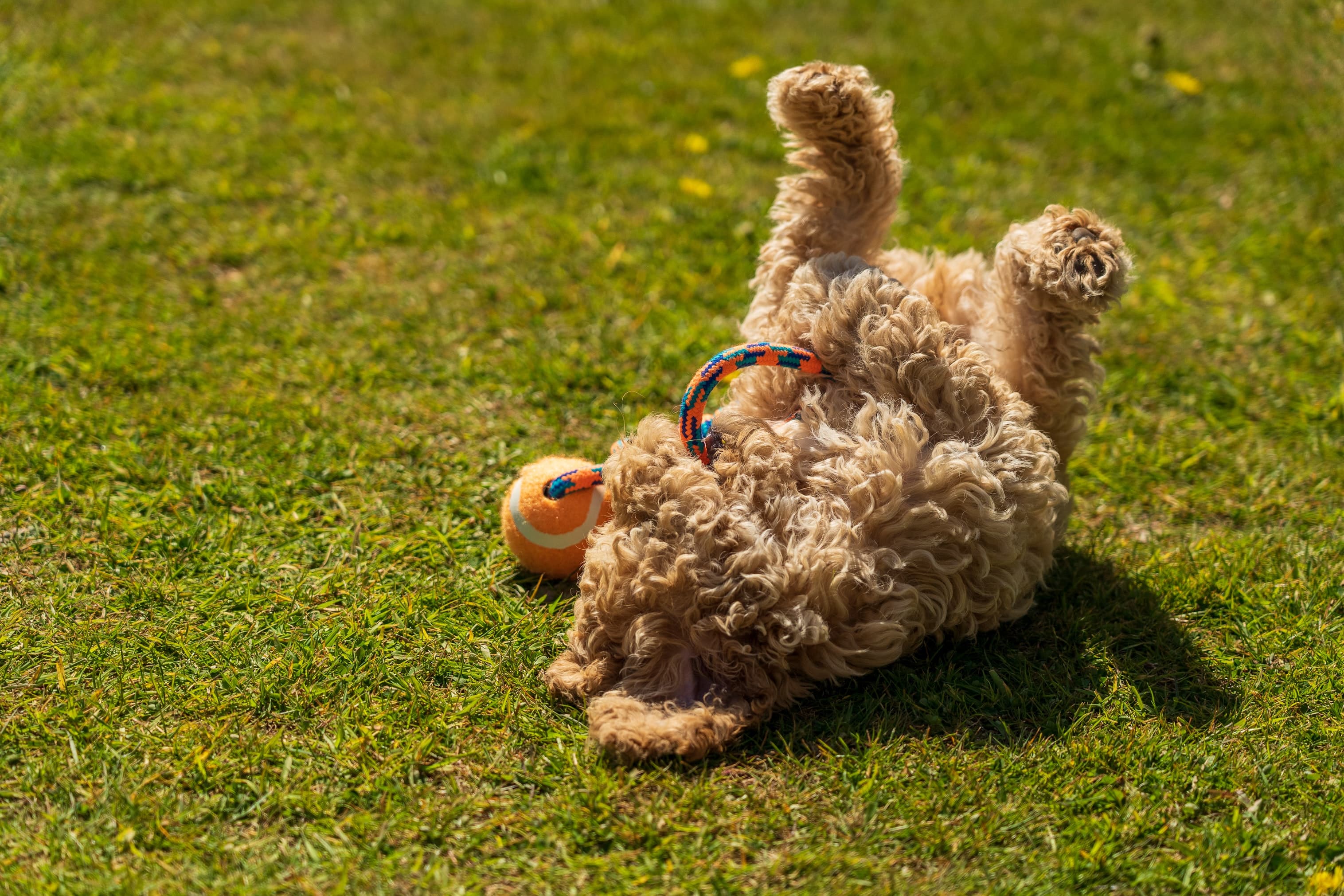
Perhaps the most recognisable way a dog scratches is by sitting down and using its hind leg to scratch its body. This is something they might do from time to time, just as we humans sometimes feel the need to scratch an itch. A less obvious way dogs scratch is using their mouths – they might lick an itchy spot, or sometimes even nibble at their fur. Dogs may also use their environment to scratch, rubbing or rolling against carpets, furniture, or objects outdoors.
Abnormal itching
While occasional scratching is normal, if your dog is scratching, licking, or gnawing at themselves more than usual, or in a way that seems abnormal, there might be an underlying issue. One sign of abnormal itching that can be easy to miss is excessive licking, for instance, of the paws.
A dog scratching more than usual can be due to many different things. Some common causes of itching are:
Parasites such as fleas, mites, lice and ticks
Allergies, including food allergies or atopy
Skin infections
Ear infections
Make it a habit to check your dog regularly. Inspect their coat and skin, examine their paws, and look and smell their ears. By doing this regularly, you'll learn what's normal for your dog and will be better able to spot if something's wrong. In this video, our vet shows you how to examine your dog.
Caring for skin and coat
Keeping your dog well-groomed is also important, of course. Bathe or shower your dog as needed, depending on their breed and coat type, but not too often, as this can disrupt the skin's natural protective barrier. Always use a mild and gentle shampoo designed for dogs to avoid skin irritation and dryness. You can also supplement their diet with omega-3 and omega-6 fatty acids to strengthen, nourish, and support healthy skin and coat quality. If you have a long-haired dog, regular brushing is essential to prevent tangles. Remember to also care for their paws – trim the hair between the pads if it gets long, and clip your dog's claws regularly.