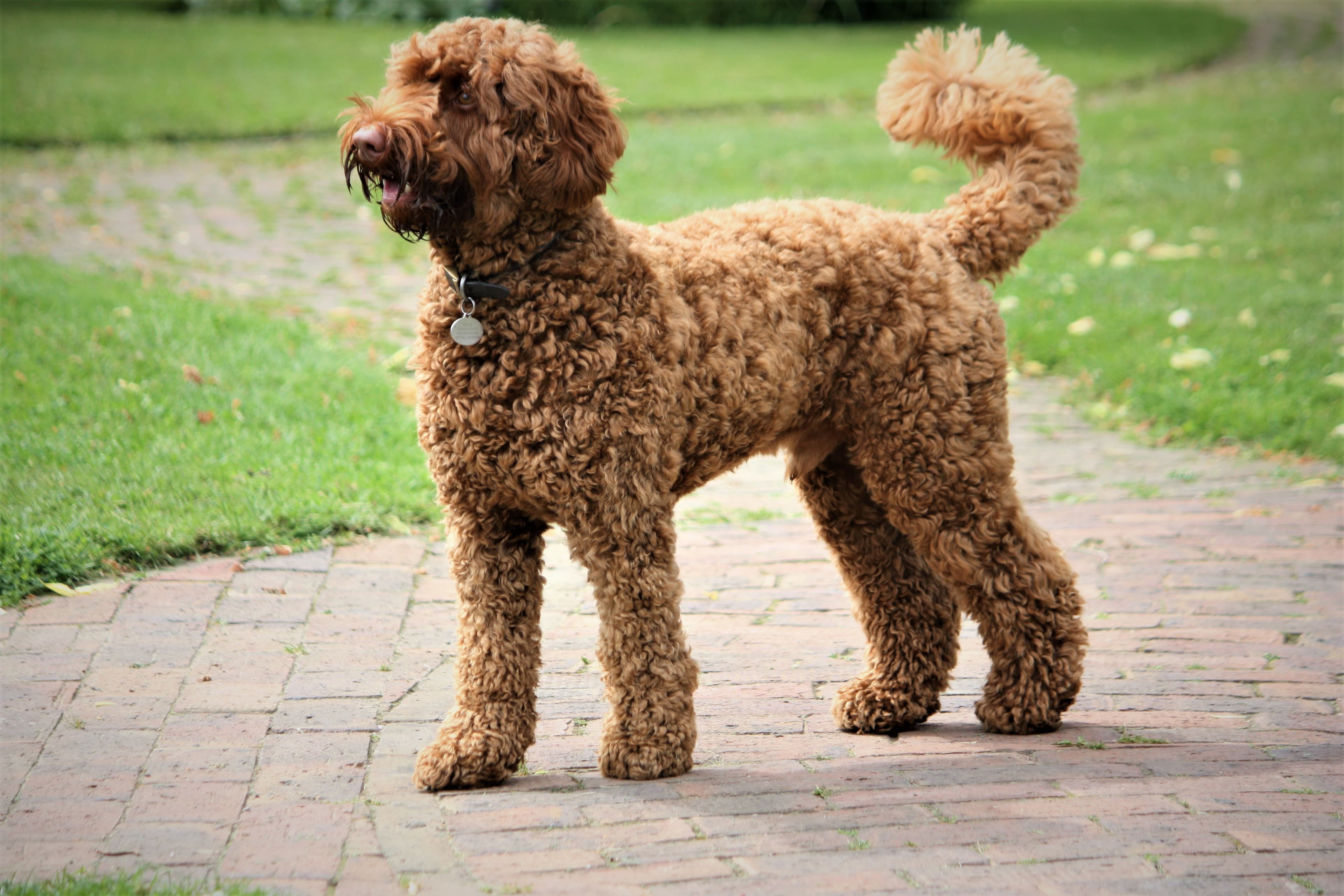

Cocker Spaniel Dog Breed Guide
Here's some quick info about the Cocker Spaniel breed:
Weight: Males and females 13-15kg
Height: Males 39-41cm | Females 38-39cm
Energy level: Medium
Life expectancy: 12-14 years
Tendency to drool: Low
Tendency to snore: Low
Tendency to bark: Low
Tendency to dig:: Low
Social Needs:: High
Designed for:: Hunting, tracking and retrieving, or as a companion dog
Colours: Many different colours! Including: black, white, golden, and black and tan
Health concerns: Generally a healthy breed, but they can be prone to hip and eye conditions. Allergies and skin issues are also common.
The Cocker Spaniel makes a wonderful family dog that loves to work alongside its humans. They enjoy learning new things, are typically friendly, and have plenty of energy. A Cocker Spaniel is well-suited to various dog sports, such as agility and tracking. The breed generally gets along well with other dogs.
Coat care
Cocker Spaniels have a so-called 'silk coat'. This type of coat requires regular grooming and needs trimming approximately every two months. The coat should be brushed and combed through several times a week. Regular bathing and blow-drying your dog will greatly assist with coat maintenance.
Nail trimming
trimming
Of course, your dog's nails need looking after! Nails should be clipped as needed, but we recommend not waiting too long – clipping them once a month might be sufficient. It's better to trim a little and often, rather than a lot and rarely. You'll need to get your dog used to having its nails clipped from an early age. In our nail trimming course, we share our best tips on how to clip your dog's nails!
Skin conditions
If you have a Cocker Spaniel, please be aware that they can be prone to skin conditions, such as allergies. Just like us humans, dogs can develop allergies to things in their environment or their food. Find out more about the different types of allergies and their symptoms here.
Socialisation
Remember to socialise your dog. We recommend starting environmental training at an early age, allowing your dog to experience the sounds and places they'll encounter as an adult. Learn more about socialisation and environmental training here.
Dental care
Looking after your dog's dental health is crucial, especially if you have a Cocker Spaniel. Regular tooth brushing is essential for good oral hygiene. Getting your dog comfortable with tooth brushing requires practice and patience – you can learn more here.
Lumps on dogs
Especially as your dog gets older, there's an increased risk of developing lumps (also known as neoplasms). A lump doesn't necessarily mean your dog has cancer; lumps can be benign or malignant. It's important to detect malignant lumps early, as treatment is often more successful. So, make it a habit to regularly feel your dog all over. You can learn more about how to check your dog and the different types of lumps they might develop in this course.
Lameness
It's also good to know that Cocker Spaniels can be prone to lameness. You can learn more about the different types of lameness and what to do if your dog is lame in the general lameness course.