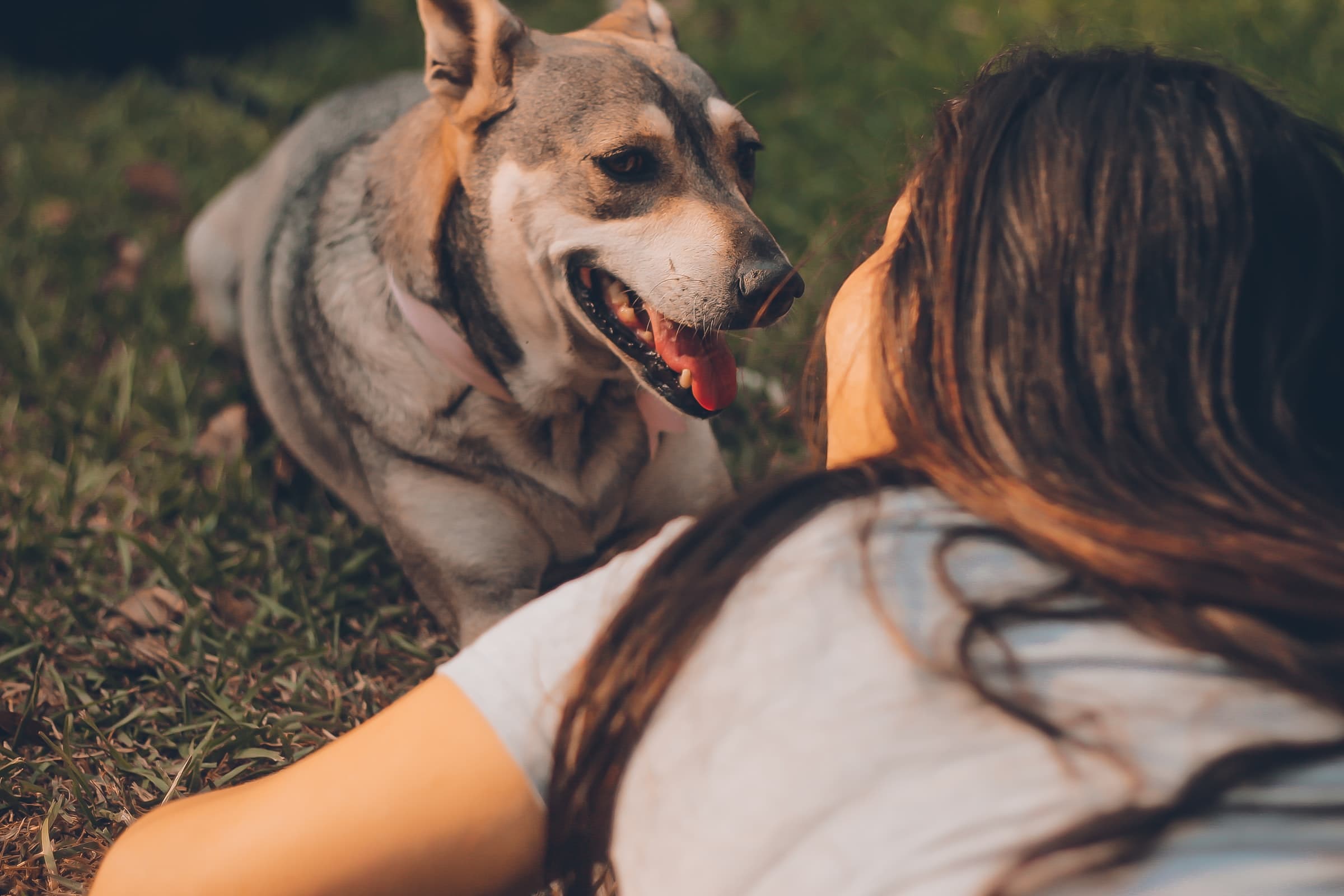

All you need to know about dog vaccinations
Vaccinations are vital for protecting dogs against a range of potentially life-threatening diseases. Much like in humans, vaccines boost your dog’s immune system, preparing it to fight off infections before they can cause harm. Whether you're a new pet parent or have had dogs for years, understanding the basics of dog vaccinations is key to keeping your furry friend healthy and safe.
Why vaccinate your dog?
Vaccinating your dog helps to:
Prevent serious illnesses like parvovirus, distemper, and rabies
Limit the spread of contagious diseases among dogs
Meet legal requirements in certain countries (e.g., mandatory rabies vaccination)
Ensure safe interactions with other pets and people
Vaccination is a proactive step – it protects your dog, public health, and the wider pet population.
What diseases do dog vaccinations protect against?
- Distemper
Caused by the Canine Distemper Virus (CDV), distemper can lead to a very serious illness that is often fatal for affected dogs. Thanks to high vaccination rates in countries like Sweden and Germany, this disease is now very rare.
- Hepatitis
This vaccine protects against infectious canine hepatitis (HCC), a virus-caused liver disease. The illness can progress rapidly in puppies and dogs, potentially leading to severe sickness and sudden death. Widespread vaccination means it's uncommon in Sweden and Germany.
- Parvo
Parvovirus is found worldwide, including in Sweden and Germany. If your dog contracts parvo, they can become very ill. Fortunately, the widespread habit of vaccinating dogs in Sweden and Germany has made this disease rare among local pets.
- Leptospirosis
This infectious disease is caused by bacteria. It is often transmitted via water sources contaminated with infected urine. Symptoms include vomiting, diarrhoea, fever and dehydration. In some animals, the disease does not manifest itself at all, but it can also be fatal.
- Kennel cough
Kennel cough is a general term for contagious respiratory infections in dogs. Symptoms typically include coughing, a runny nose, and sometimes a fever. It's important to know that vaccinating against kennel cough doesn't guarantee full protection. A vaccinated dog might still contract kennel cough, but they will usually experience milder symptoms.
Puppies and initial vaccinations
It’s advisable to be cautious about letting your puppy meet other dogs until after their second vaccination at 12 weeks old, which is when their vaccination protection is considered complete. If your puppy does socialise with other dogs before this, they must be vaccinated. Humans pose very little risk to puppies; while theoretically possible, humans aren't a common source of infection for puppies, even if they've been in contact with a sick dog.
Vaccinations for travel abroad
When travelling abroad with your dog, a rabies vaccination is usually required (for all countries except Norway). Depending on your destination, other vaccinations (such as for leptospirosis) might also be recommended. Always check the specific entry requirements and recommendations for your destination country before you travel with your dog.