Sphynx Cat: Everything You Need to Know
Sphynx Cat: Breed Overview
Weight: Males 3.5 - 5.5 kg, females 3 - 4 kg
Wither height: 20 - 25 cm
Energy level: Energetic
Lifespan: 12 - 15 years
Social need: Great
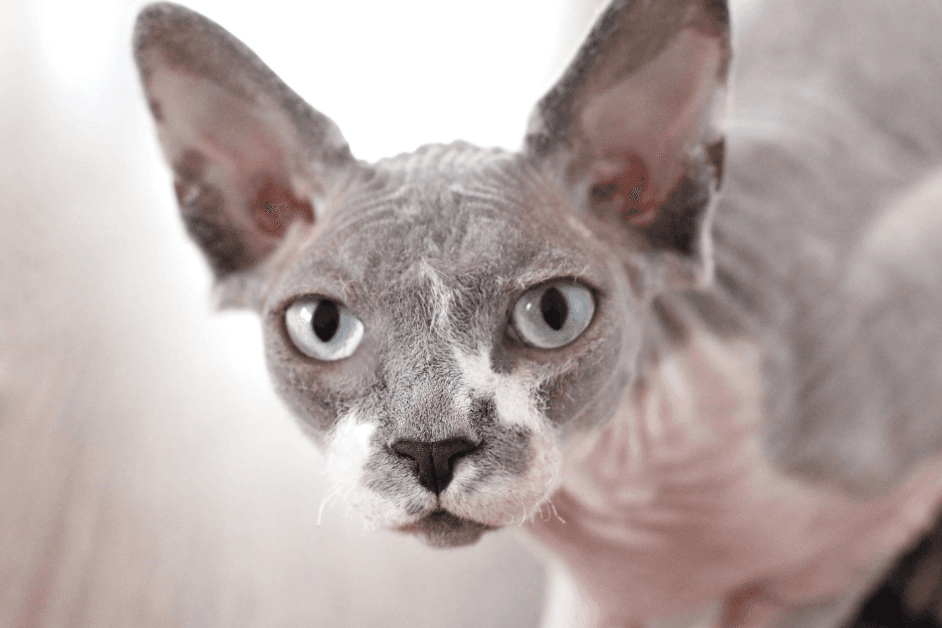
Colours:The skin colour can be as varied as the fur colours of other cat breeds, often appearing a little pinkish-beige. They can also be spotted or have white patches.Health problems:They often suffer from skin issues like rashes and fungal infections, and can also get sunburned. Sphynx cats are also prone to ear infections and hereditary conditions such as Hypertrophic Cardiomyopathy (HCM).
Personality of a Sphynx
The Sphynx is an outgoing, social and lively cat breed that often communicates with its voice. They adore attention from their owners and are very affectionate. Cuddling with people and other animals is a favourite activity for the Sphynx, and they don’t like being left alone. They also enjoy playing and need plenty of stimulation to stay happy. This breed tends to have a larger appetite to maintain body heat and is sensitive to cold, heat, and sunlight. They often require around 20% more food than furry cats.
Looks and fur care of a Sphynx
A Sphynx is a medium-sized, muscular cat that is almost completely hairless. It's often the breed that comes to mind when people think of a "hairless cat". Their body is elongated and covered only by a fine down, giving them a soft, peachy feel. The absence of fur means all their skin wrinkles are visible, contributing to their distinctive appearance. All cats secrete an oily substance from their skin, and without fur to absorb it, this oil remains on the Sphynx's skin. Therefore, you need to help keep their skin clean and supple by bathing them regularly and caring for their skin.
Health problems in a Sphynx
The Sphynx is prone to certain health issues. They frequently experience skin problems like rashes and fungal infections, which can be troublesome and require special skin care. Their lack of fur also means they need protection from sunburn. Additionally, they have a higher risk of ear infections due to their large ears, so ensure their ears are kept clean and monitor for any signs of infection. The hereditary heart condition Hypertrophic Cardiomyopathy (HCM) also occurs in Sphynx cats. This can lead to thickening of the heart muscle, affecting its ability to pump blood efficiently. HCM can result in blood clots, heart failure, and sometimes even sudden death.
Oral health
Did you know you should brush your cat's teeth? Daily brushing is the best way to help prevent dental disease, learn more about ithere. Dental disease FORL is common in cats and often occurs alongside dental disease. Brushing your cat's teeth can be a challenge, but with treats and patience, they’ll usually get used to it. Find out how to brush your cat's teethhere. Learn more about cat dental carehere.
Poisoning
Many everyday items can be poisonous to cats, some of which might surprise you. For example, certain plants can be harmful – find out which plants are poisonous to your cathere. Other common household items that are toxic to cats includechocolate andmouse and rat poison. It's crucial to store anything dangerous to cats where they cannot access it.