Flying with your dog
Travelling with a dog can be challenging, especially when flying. With the right preparation and a few practical tips, your flight can be stress-free and safe for both you and your four-legged friend. Here are some important points to consider:
1. Preparation Before the Flight
Vet Visit: Schedule an appointment with your vet to ensure your dog is healthy and has all necessary vaccinations and health certificates. Some airlines require a health certificate no older than ten days.
Travel Documents: Check the entry requirements for your destination country. Some countries have specific requirements, like quarantine or special vaccinations.
Getting Used to the Crate: If your dog will be travelling in the cargo hold, they should be accustomed to the crate. Have them sleep and eat in the crate for a few weeks before the trip to ensure they are comfortable.
2. The Right Crate
Size and Safety: The crate should be large enough for your dog to stand, turn around, and lie down comfortably. It should be sturdy and well-ventilated. Ensure it meets IATA (International Air Transport Association) regulations.
Comfort: Place an absorbent mat in the crate and include your dog’s favourite toy or a familiar blanket to provide comfort.
3. Booking and Check-In
Early Booking: Airlines often accept only a limited number of pets per flight, so book early and inform them that you'll be travelling with a dog.
Fees and Regulations: Check the airline's specific regulations and fees. Some allow small dogs in the cabin, while larger dogs must travel in the cargo hold.
Check-In: Allow plenty of time for check-in. Arrive at the airport early to check your dog in without stress and complete all necessary formalities.
4. At the Airport and During the Flight
Stay Calm: Try to stay calm to reassure your dog. Dogs can sense their owner’s anxiety and may become stressed themselves.
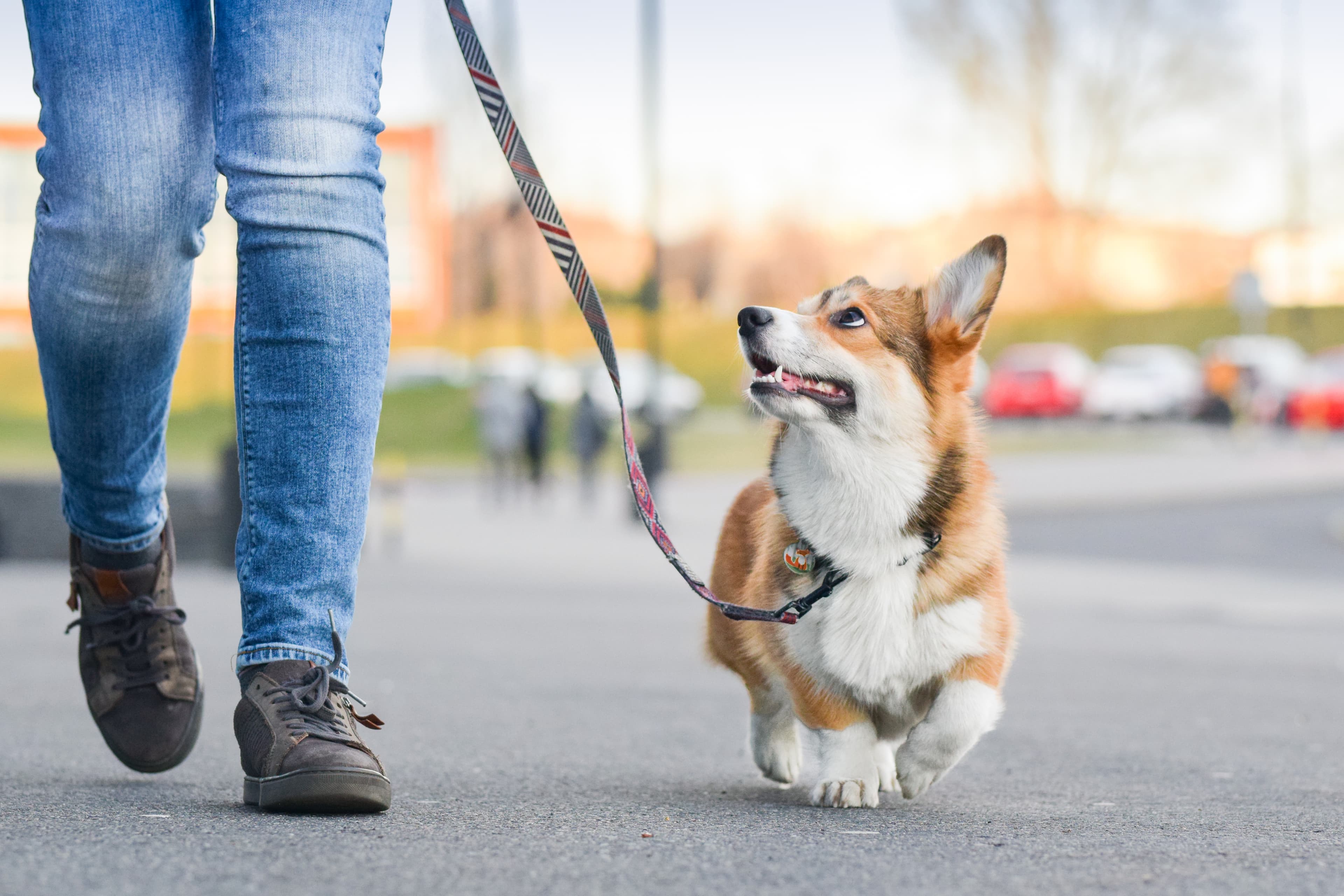
Final Walk: Take your dog for a walk before check-in to allow them to relieve themselves and get some exercise.
Water and Food: Feed your dog a few hours before the flight to prevent stomach issues. Ensure they have access to water, but don’t overdo it to avoid frequent urination.
5. Arrival at the Destination
Check-Up: Once you retrieve your dog at the destination, check to ensure they are unharmed and comfortable.
Adjustment: Give your dog time to adjust to the new environment. Take a short walk to help them stretch and relieve themselves.
Differences Between Small and Large Dogs
Small Dogs:
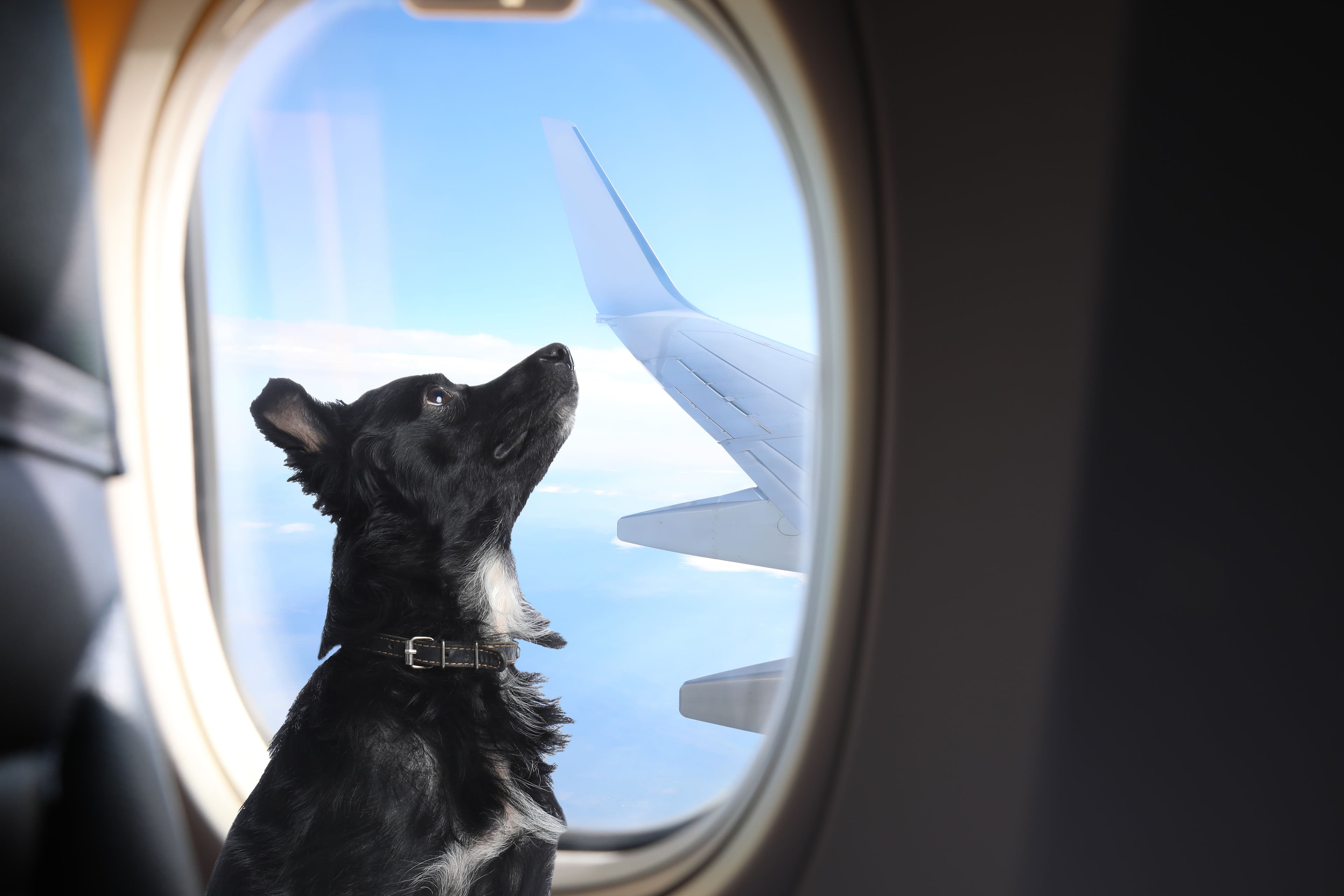
Cabin: Small dogs, weighing less than 8 kg including the crate, are often allowed in the cabin. The crate must fit under the seat in front of you.
Breaks: Since small dogs travel in the cabin, you can tend to them more easily during the flight.
Large Dogs:
Cargo Hold: Larger dogs must travel in a special crate in the cargo hold. Ensure you understand the conditions to keep your dog safe and comfortable.
Requirements: Make sure the crate meets IATA regulations and that your dog has enough space to move around.
With proper preparation and organisation, flying with your dog can be a pleasant experience. Inform yourself in advance about the airline's and destination country's requirements, get your dog accustomed to the crate, and plan sufficient time for check-in. This way, you and your dog can travel relaxed and safely.