Understanding separation anxiety in dogs
What is separation anxiety?
As social animals, dogs naturally thrive on companionship. Historically, this pack mentality helped them survive by enabling better defence, hunting, and care for young. Being separated from their group could be life-threatening, which helps explain the distress many dogs feel when left alone. Studies suggest up to 50% of family dogs may suffer from separation anxiety.
Separation anxiety is a condition that occurs when a dog fears being alone. It can manifest when they see you preparing to leave or once they are left. Sometimes, owners might not even realise there's a problem, as the dog only shows distress when they're on their own.
What are the signs of separation anxiety?
Signs that your dog may be experiencing separation anxiety when left alone include:
Sleeping by the front door or on your feet, as if to prevent anyone from leaving.
Following you around the house constantly.
Becoming anxious when you start your leaving routine (e.g., packing a bag, getting ready for work).
Barking, howling, or whining excessively.
Chewing objects and engaging in other destructive behaviours, like damaging furniture.
Urinating or defecating indoors.
Scratching or digging at doors, windows, or other exits.
Pacing anxiously.
Panting and/or drooling excessively.
Remaining completely still, waiting by the door.
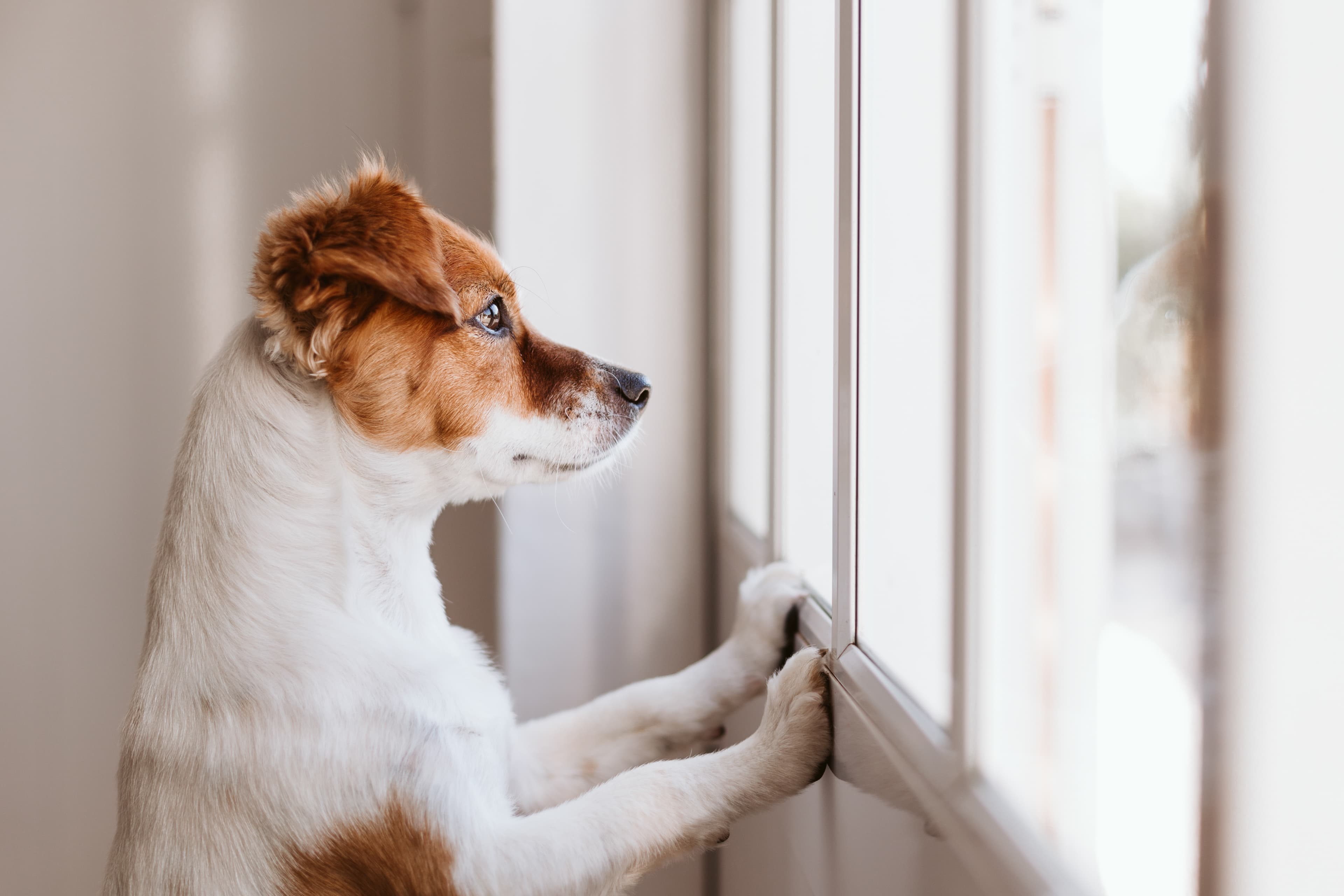
Running between windows or sitting in a window, watching for your return.
Becoming overly excited when you return home.
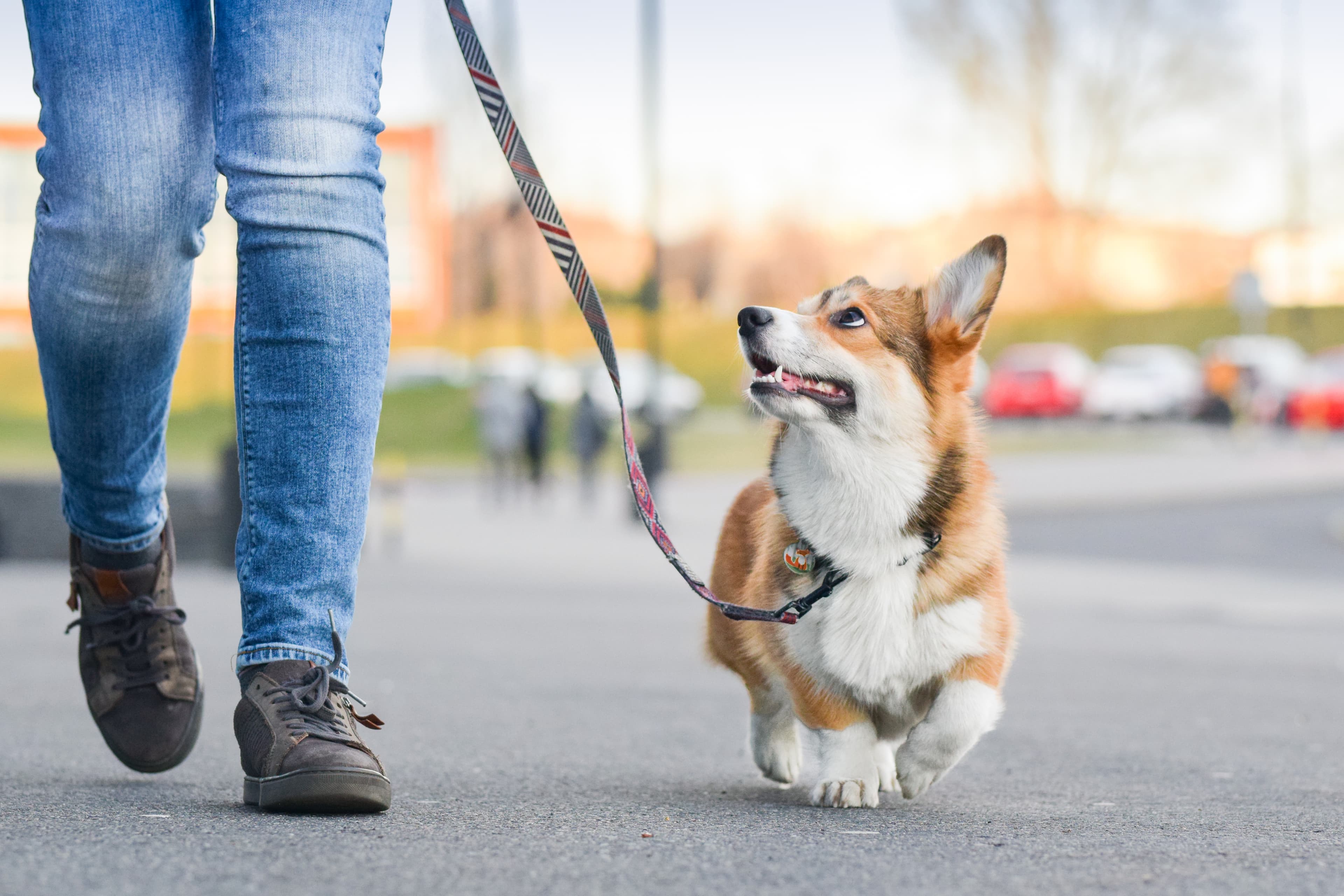
Showing higher stress levels after you've been away – you might notice this on walks.
It's important to remember that these behaviours *can* be signs of separation anxiety, but they don't automatically mean your dog has it. Dogs can also display these behaviours for other reasons.
What causes separation anxiety?
Several factors can contribute to separation anxiety. Both genetics and environment play a role, as do early experiences such as being separated from their mother too soon, being left alone for extended periods as a puppy, or never being taught how to cope with being alone. Certain life changes can also trigger these problems, like a shift in work schedule, moving house, or rehoming. However, there's no evidence that dogs who sleep on the bed or sofa, have a very strong bond with their owner, or accompany their owner everywhere are more prone to developing separation anxiety.
Studies in other species have shown that young animals who lack adequate care early in life tend to be more nervous throughout their lives, and those without maternal care often struggle with separation later on. Research also indicates that a dog's early environment can have long-lasting effects on their behaviour and their ability to manage stress.
So, while many things can influence whether a dog develops separation anxiety, ensuring they feel as secure as possible is a great way to help prevent it. If your dog is struggling with separation anxiety, read on to learn about training methods. And remember, seeking help from a qualified trainer who can create a tailored plan for you and your dog is always a good idea.