Beware of algal poisoning in dogs
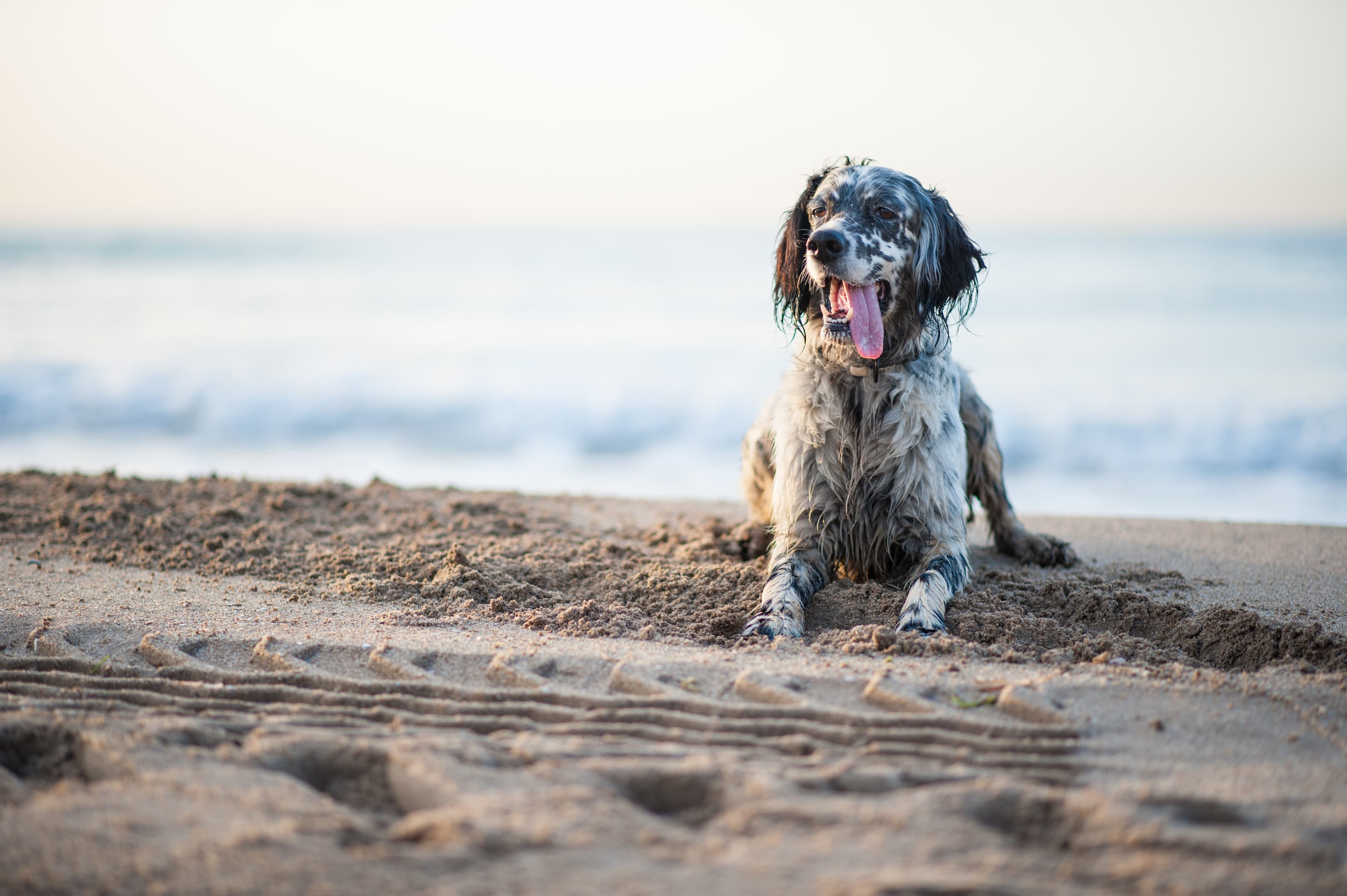
As much fun as it may be to let your dog jump, play and swim freely in the water during summer, it can actually be very dangerous for them! While dogs should certainly be allowed to swim, they shouldn't do so at any time or in just any location. This is especially true during high summer (and early autumn) when algae blooms are at their peak (though they can also occur before then).
During an algae bloom, a type of poison is formed in the water. If your dog accidentally ingests this, it can lead to algal poisoning, which can unfortunately be fatal. So, if you want to let your dog swim and paddle during the summer, keep an extra close eye to avoid this! You can stay up-to-date on whether there's a risk of algae blooms in your area by checking with local environmental agencies and weather services.
What exactly is algal poisoning?
You might be wondering what algal poisoning is and why it can make your dog so seriously ill if they happen to ingest water during an algae bloom. The reason why these blooms are something all dog owners should be extra careful about is precisely because they are poisonous.
When the water becomes warm and nutrient-rich, mainly in high summer and early autumn, algae blooms can occur. This can happen in lakes, seas, and other bodies of water, particularly where the water is fresh and still. At the time of the bloom, the water might appear cloudy or have a yellowish or green surface. However, dangerous algae blooms can occur even when the water looks clean.
Exposure to these toxins from the algae bloom can cause poisoning in your dog, which can sadly be fatal. Depending on the type of toxin, symptoms can vary quite a bit. The poisoning can damage your dog's internal organs, cause circulatory problems, and in the worst-case scenario, lead to death. Symptoms can appear very quickly; in severe cases, death can occur within an hour of exposure.
Examples of symptoms of algal poisoning:
Vomiting
Diarrhoea
Tremors
Weakness
Pale gums
Seizures
Unconsciousness
My dog has algal poisoning - what should I do?
Do you suspect your dog has algal poisoning? If so, it's crucial to act quickly. This applies whether you just suspect they might have bathed in poisoned water, or if they're showing the symptoms listed above after a swim. The first step is to get to your nearest vet immediately. If you have time, it can be helpful to rinse your dog with plain water to remove any remaining toxins. On your way to the vet, call ahead to let them know you're coming in due to suspected algal poisoning. Also, make sure your dog can't lick any more of the toxic water from their fur – keep them close or use a collar if you have one. Act fast, and let the vet do their best. Unfortunately, there's no specific cure for these toxins, but the vet can provide supportive care.