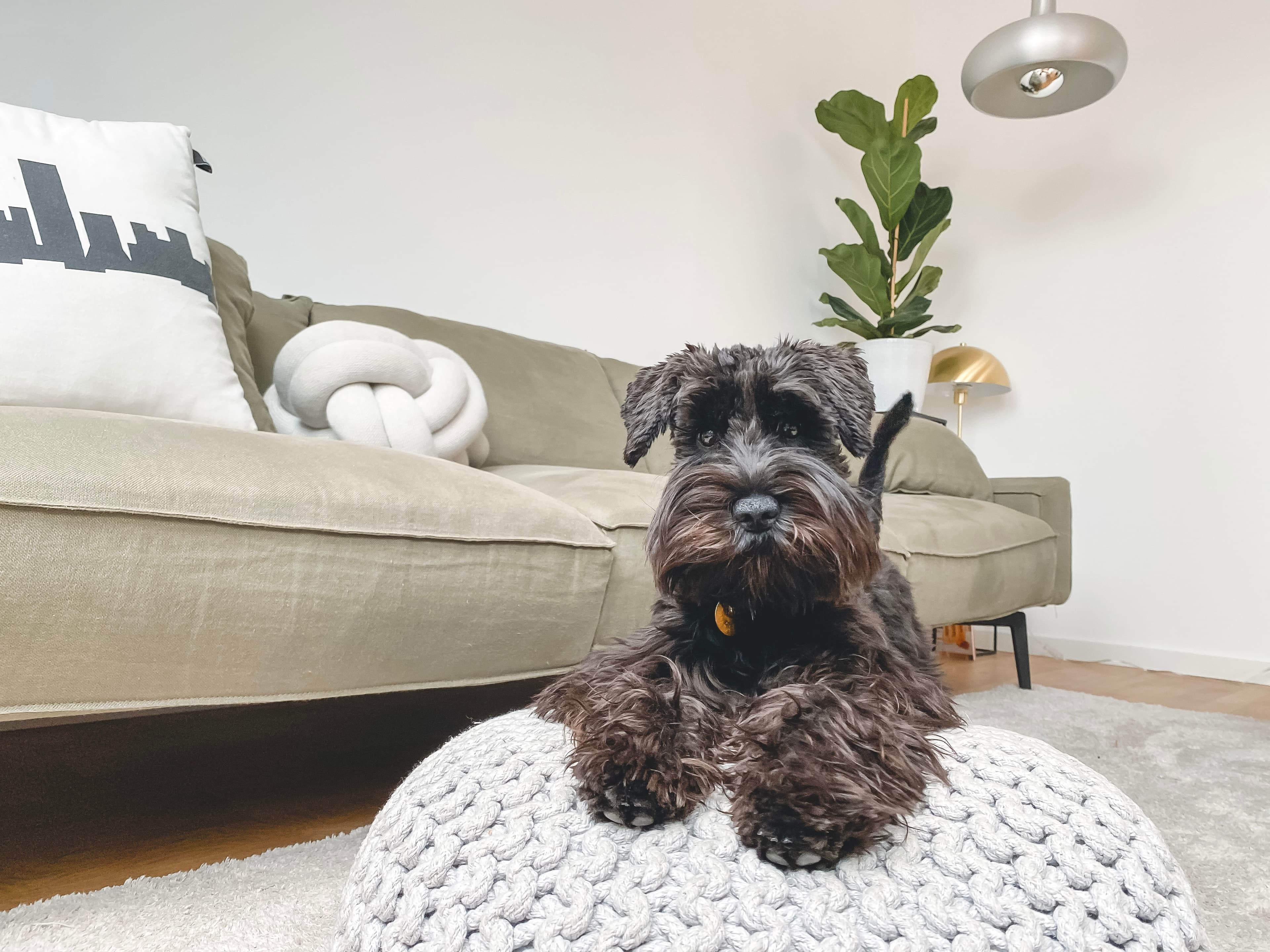
What to do if your dog is scared of fireworks
Has your dog shown signs of fear around fireworks and loud bangs? Unfortunately, it's common for dogs to be scared. In this article, we'll share tips on how to support a frightened dog during firework season, especially around New Year's Eve.
Why does your dog get scared of fireworks?
What causes a dog to fear fireworks varies from dog to dog. It could be the loud bang, the whistling sound, the flashing lights, or simply anything associated with fireworks that frightens them.
Dogs that fear fireworks have often experienced something in the past that triggered the fear. They might have been near intense fireworks or had a firecracker thrown at them, but sometimes there's no clear trigger. Some dogs get used to the sounds over time, understanding they aren't dangerous. However, this isn't true for all dogs, and many will remain fearful for life.
Symptoms of fear of fireworks
Common signs that your dog is scared include:
Panting
Trembling
Drooling
Hiding
Trying to escape or dig
Difficulty relaxing and settling
Whining
Chewing furniture or objects
Diarrhoea
If your dog shows any of these symptoms around fireworks, it's likely they have a fear. It's common for a frightened dog to continue showing symptoms for a while after the fireworks have stopped.
What can I do?
If your dog fears firecrackers and fireworks, help is available through training and medication. If you opt for training, remember you need to start well in advance – a few weeks isn't enough and could even worsen the fear.
If you want to train your dog to tolerate loud noises, proceed with extreme caution. Seek help from a qualified behaviourist who can create a tailored programme for your dog to overcome their fear. To help a dog understand that fireworks are okay and not dangerous, they need to be slowly accustomed to the sound. The aim is for them to perceive it as background noise, so it's crucial to start very slowly and at a low volume. If your dog shows the slightest discomfort, stop the noise immediately to avoid intensifying their fears. Be aware that fear of sound is notoriously difficult to train out. It's easy to go too fast, leading to an increased negative reaction to loud noises. Therefore, consulting a canine behaviourist who uses reward-based methods is highly recommended.
Both over-the-counter and prescription medications can help reduce your dog's fear and anxiety. For mild anxiety, an over-the-counter supplement might be effective. However, if your dog experiences severe fear, your vet can prescribe anti-anxiety medication.
Preventing fear of fireworks
If your dog isn't already afraid of fireworks, it's wise to take proactive steps to reduce the risk. Remember, though, that fear can develop at any point in a dog's life. Just because your dog shows no fear during their first New Year's doesn't mean it's safe to expose them to fireworks. Here’s how to approach New Year's and prevent fear before it starts:
Never involve your dog.Even with the most confident dog, it’s unwise to take them out to watch fireworks. At any moment, they could become scared, and overcoming that fear can be difficult. Prolonged exposure to loud noises can also contribute to developing a fear.
Let your dog create the sounds.Traditional training involves gradually getting your dog used to sounds at a very low level. This method can work if you're experienced. However, you can also prevent fear with simple methods by enriching your dog's daily life. For example, encourage your dog to make a rewarding sound. This could involve searching for treats in a container with cutlery, or pawing at an object that makes a sound when moved, followed by a treat. Get creative – this will boost your dog's confidence.
Prepare for New Year's Eve.Create a safe space for your dog, perhaps in a quiet room with music playing. Provide a favourite chew toy to help distract them and prevent them from noticing the fireworks. This way, you can stop them from becoming so scared that they hide under the bed every year. When it comes to sound phobias, there's a very fine line when trying to desensitise your dog. It's often better to simply exclude them from the experience altogether.
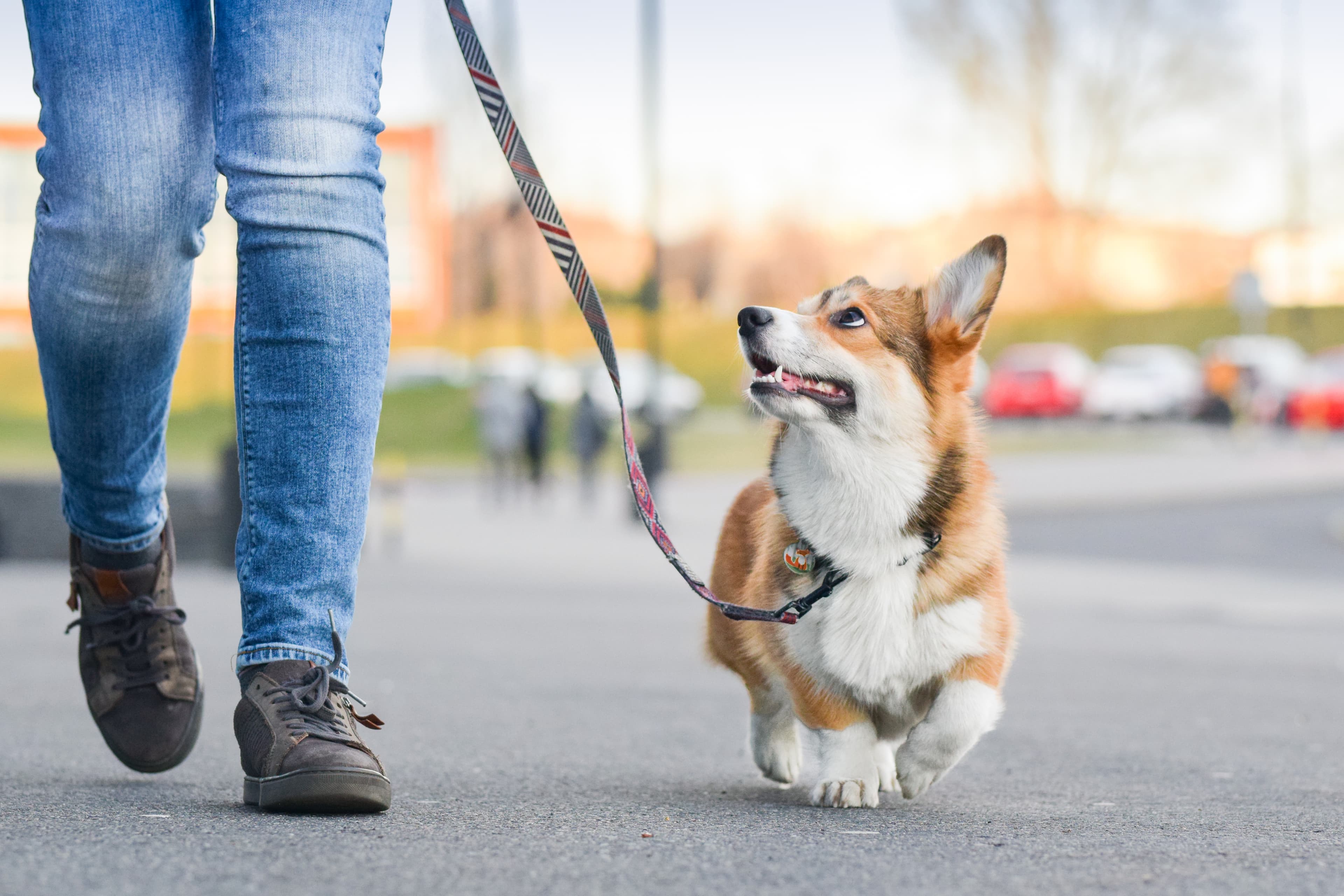
Keep your dog on a lead.Many dogs go missing during New Year's celebrations. Fireworks can occur before and after the main event, so it's vital to keep your dog on a lead for several days before and after New Year's. Scared dogs often run away, so for those fearful of fireworks, using both a collar and a harness with different leads can help prevent them from slipping free.
What should I do if my dog is scared?
If your dog fears fireworks, we recommend spending New Year's Eve in a quiet location, preferably away from busy city centres. Hotels near airports are often free from fireworks and can be an ideal place for you and your dog. Alternatively, focus on preventing your dog from becoming more distressed than they already are. Allow them to hide if they need to, offer comfort as a safe presence, close the blinds, play calming music or TV, and offer a favourite chew if they're willing to take it.